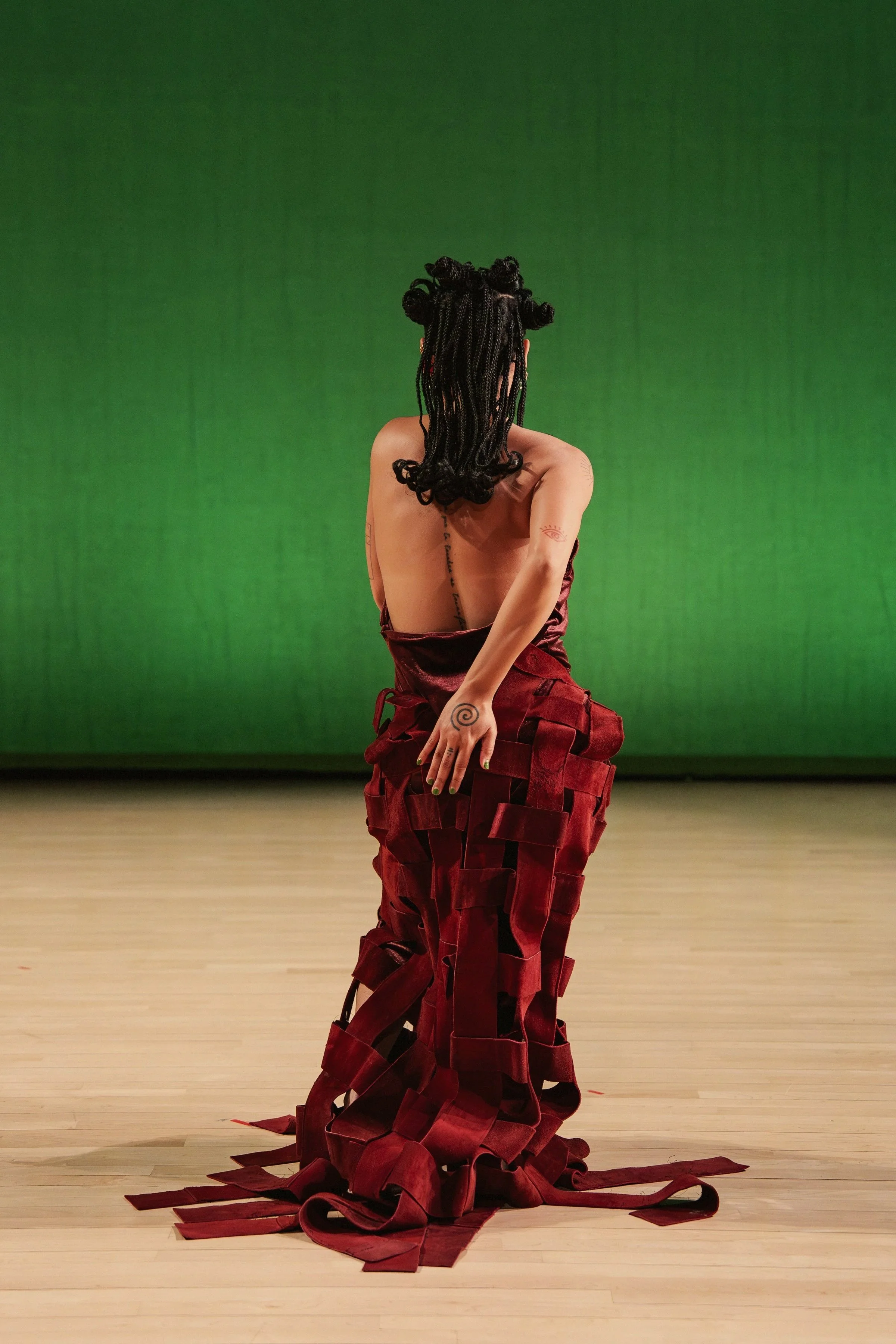
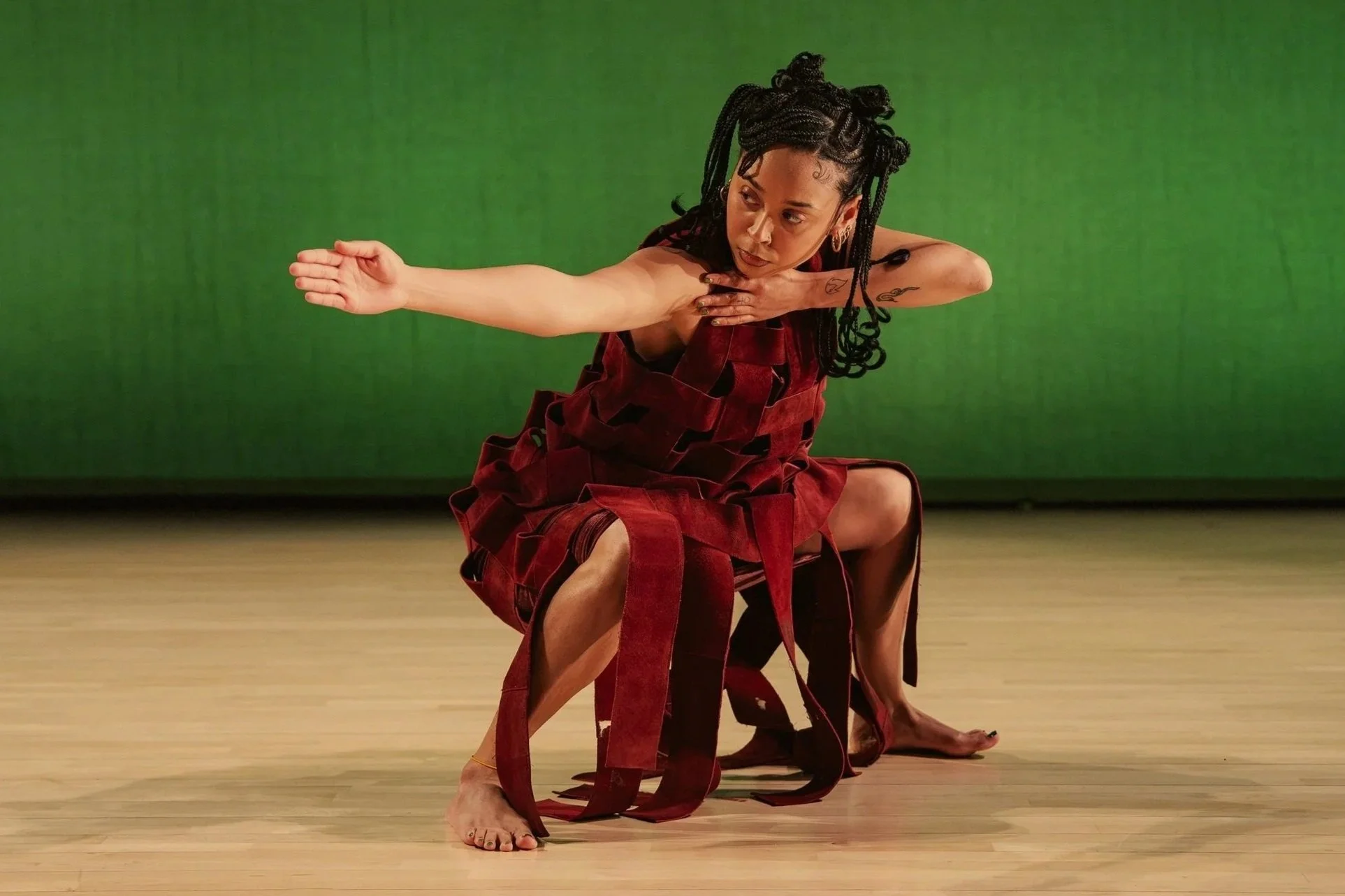
I am interested in analog and coded technologies. Not technologies in the typical sense of the word, but technologies reliant upon the body for successful completion of a task, particularly that of survival. Intrigued by the simultaneous known-to-some and not-known- to-others, I investigate the duality of these realties physically and orally, exploring both the tension and inner delight of holding and passing down that which is a secret.
My movement is informed by culturally inherited ways of being witnessed and engaged in since my childhood. In many ways its laborious, reflecting my aunt’s navigation of career and maintenance of home. In other ways its suggestive, sensual, and soft, reflecting a kind of mental, spiritual, and emotional liberation from physical or material condition. My dance is prayer-like, a deep and internal connecting of self to spirit, a journey of releasing that which feels hard, expressing gratitude for that which is, and affirming hope for brighter futures. My work signifies speculative liberatory spaces and practices and the making real of them.
Woven with the strands of my physical expression, I engage in Black American methods of storytelling with head nods at varying tempos, finger claps with pursed lips, “girl- did-you-see-that” eye glares, “mhms”, and many “I know that’s rights”. I ask to “rap to you really quick” and suggest that you “know what I mean”. I encourage you to see the unseen, hear the unheard, and speak the unspoken. To share and/or keep codes. To discern. To be griot.
Artist Statement.
Teaching Statement
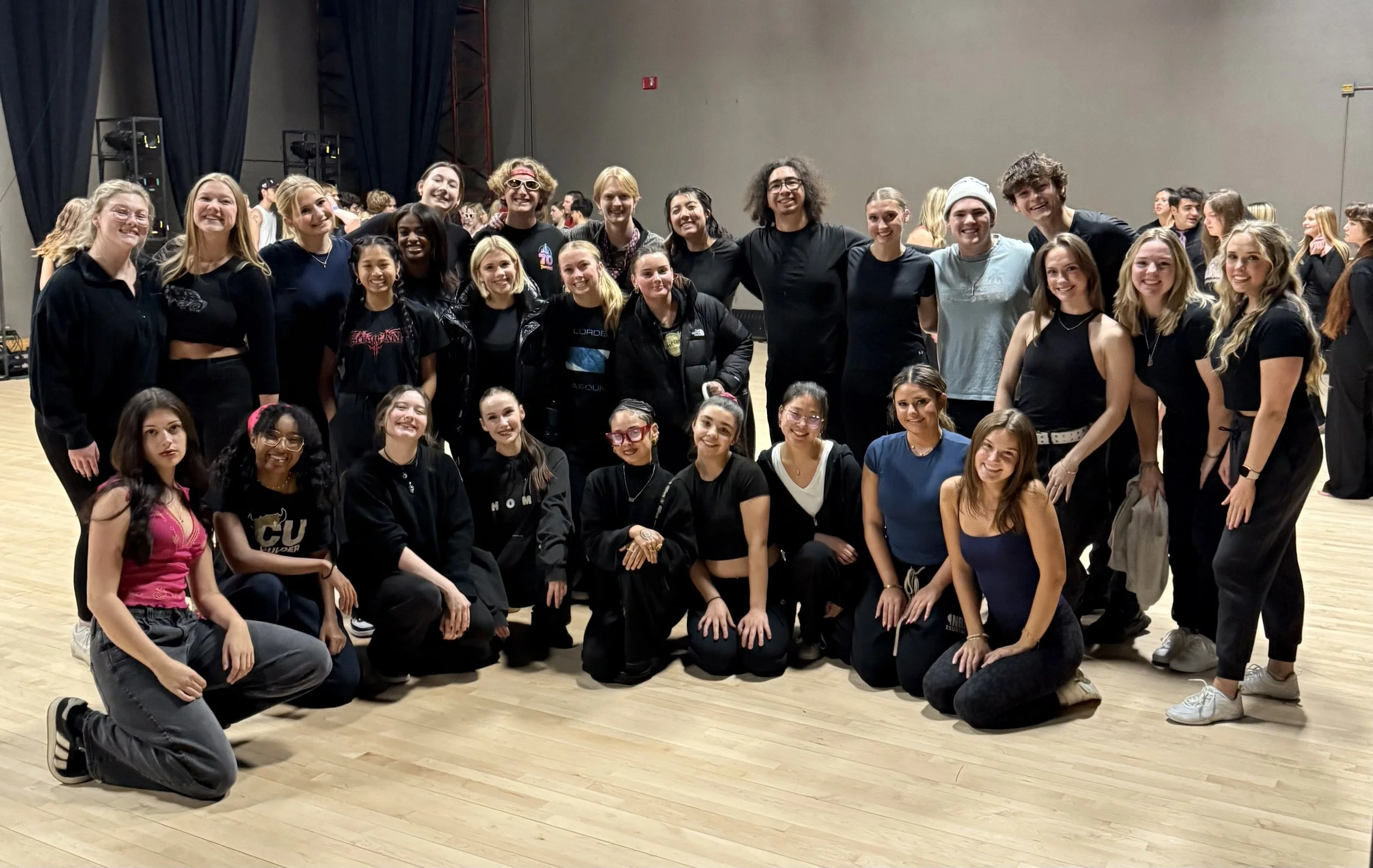
SP 26 Int/Adv Contemporary
My teaching philosophy and pedagogy have been informed, shaped, and molded by those who have poured into and come before me. It is because of these practitioners that my teaching methods, approach, material offered, and ideologies are the way that they are. These practitioners include Helanius J. Wilkins, Abby Zbikowski, Rennie Harris, Momar Ndiaye, Dr. C. Kemal Nance, Danzel Thompson-Stout, Alesandra Seutin, James “Cricket” Colter, Nii Armah Sowah, and Makisig Akin. The forms offered by these practitioners include street and club dance forms, contemporary and traditional Africanist techniques and sensibilities, and improvisational practices. I extend additional gratitude towards those I’ve simultaneously taken classes alongside. I’m deeply grateful for these artists, educators, and mentors.
The information held inside of my body intermingles and meshes in ways that create a personalized and contemporary approach to my teaching, improvisation, art making, and performance. I strive to honor all that is embedded into the fabric of my being, not placing a hierarchy of value of that simultaneously existing.
Trainings I have engaged in, such as the Umfundalai Teacher Training, centrally located in Philadelphia, PA and Training Diaspora Africa Program located in Toubab Dialaw, Senegal, have deep roots in how, why, and what I teach. Teaching methodologies I employ encompass themes of communal teaching and learning, reduced hierarchy in the offering and facilitating of space, continuity and circularity in class structure and use of space, and articulated movement analysis. An integral component of how I teach centers on the idea that everything is information.
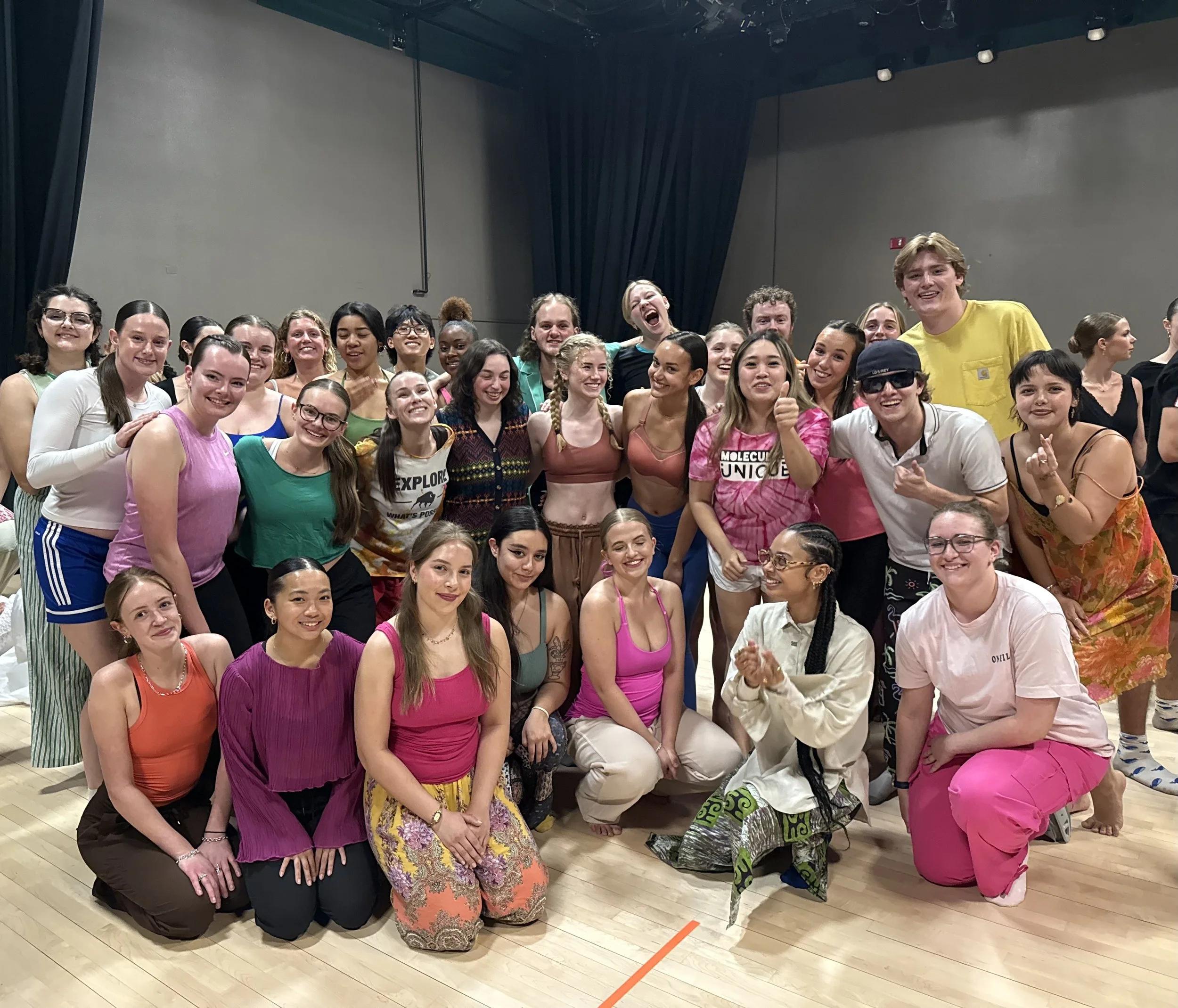
While I am the facilitator of the space, I believe everybody in the space offers insight that informs the possibility of multiple approaches to the material explored. Reminding my students to truly observe their peers in the space, provide feedback, and take note of what they notice is working for others and themselves, is always present. With this in mind, the use of bodies as mirrors through the medium of partnering and dialogue facilitates this. Not just the bodies in space offer information, as I present footage and pieces of documentaries for my students to reference. Digitized bodies present in the space also serve as mirrors and act as educators. I am, but one manifestation of a dancer in the forms I engage in and teach, and I emphasize this idea verbally in class. In doing this, I hope their own individual identity, artistic agency, and creativity shift and propel them forward. In the event of footage shown that features traditionalists or pioneers, I hope that the context provided offers a clearer and deeper entry point into the work, allowing for a glance into history and evolution. Languaging my across the floor exercises as rows consisting of members of their “family” and emphasizing the necessity in ensuring they aren’t leaving them behind is another important feature present inside of my classroom. In doing this, I imply the importance of the individual amongst the collective and vice versa. Lastly, the structuring of my class possesses continuity and circularity, both of which are important facets of dances rooted in Africanist traditions. Together we build the energy in the space, activate the corners of the room, honor the four directions, and utilize circular spatial formations and configurations to promote community and seeing one another.
Responsibilities I hold as an educator in spaces of learning are a reflection of what I witnessed people carrying and holding in spaces of community growing up. In Black American woman communities, I’ve witnessed the most tender caring to of all bodies in space. With this embodied knowledge and remembering, I aim to create an environment rooted in visibility, support, appreciation of difference, generosity, accountability, and care.